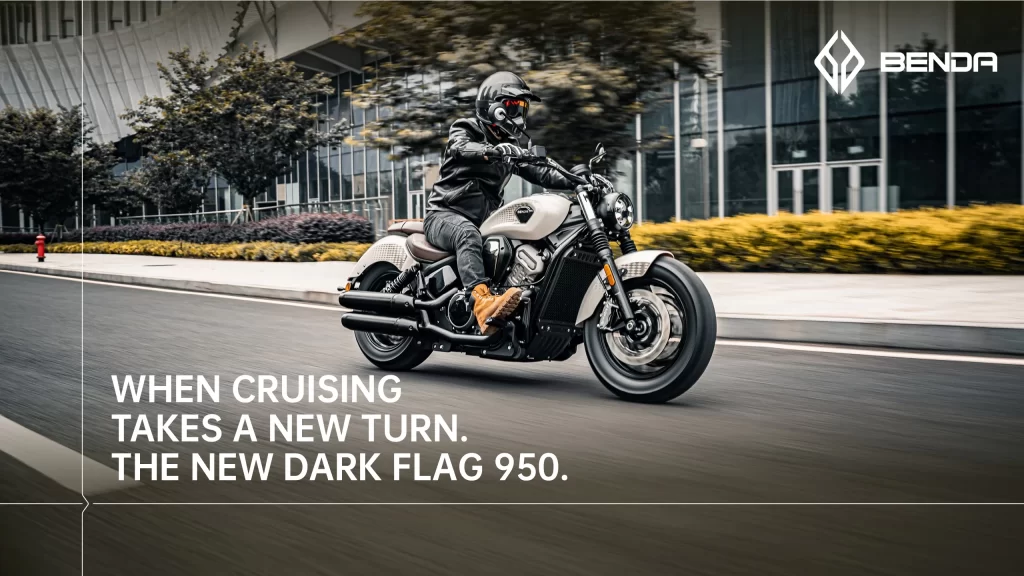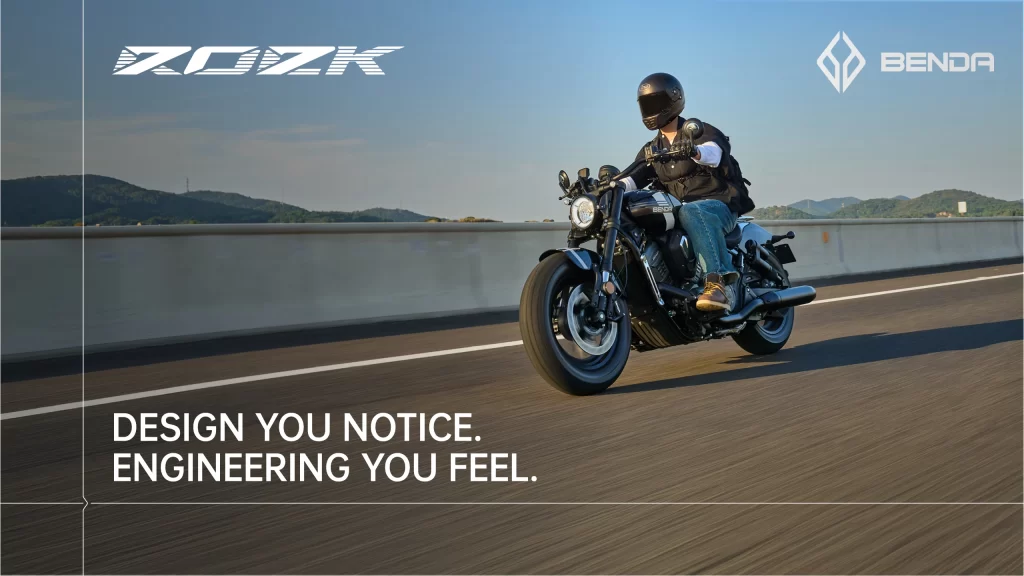
At Benda, we know that riders who love the distinctive look and feel of a vintage cruiser or vintage bobber motorcycle are often searching for something that goes beyond mere transportation. These bikes blend classic design cues with a ride experience that feels personal and expressive. If you’re considering a bobber-style bike, this guide is designed to help you decide what matters most before you buy.
What Defines a Vintage Bobber Motorcycle
A vintage bobber motorcycle brings together a stripped-back aesthetic and a focus on the essentials of riding. Traditional bobber styling includes a low seat height, simple fenders, and a silhouette that emphasizes the mechanical heart of the bike itself. These elements distinguish bobbers from other cruiser motorcycles, which may lean toward more touring-oriented features or larger, bulkier frames. A true bobber looks and feels compact and individual, celebrating the purity of two-wheeled engineering.
Key Factors to Consider When Choosing
Engine and Performance: When evaluating a bobber, take a close look at its engine configuration and displacement. For example, the Benda NapoleonBob 250 rides on a 249 cc liquid-cooled V-twin engine that produces around 25 Nm of torque at mid-range rpm and combines usable power with approachable performance for both city and open riding. This size of engine suits everyday use and lets newer riders handle the bike without being overwhelmed while still offering enough grunt for enjoyable rides.
Handling and Suspension: Weight distribution and suspension design impact how the bike feels in motion. A longer wheelbase and dual-shock rear support, like those found on many bobber bikes, create a planted, stable ride at moderate speeds, while a lower seat height helps many riders feel more connected and in control. Suspension tuning should balance comfort with responsiveness to road surface irregularities.
Braking and Safety Features: Safety should always be part of your decision. Vintage style doesn’t have to mean outdated technology. Look for features such as dual-channel ABS and traction control to add confidence under braking and in varied traction conditions. These technologies offer discreet support without distracting from the bike’s retro aesthetic.
Comfort and Ergonomics: Even traditional bikes need to be comfortable for your riding goals. The riding position, seat height, and handlebar reach all influence how you feel after a long day of riding. A solo seat reinforces the minimalist bobber look, but some riders may prefer an option that can accommodate a passenger or luggage, depending on how they plan to use the motorcycle.
Matching Style With Purpose: A vintage cruiser typically aims to evoke nostalgia through classic design lines and period-correct elements. Whether you’re drawn to the simple authenticity of the bobber form or you want a bike that complements your personal style, consider how the motorcycle’s look aligns with your daily and weekend riding plans. For many, the visual appeal of a bobber is part of the experience as much as the ride itself.
Conclusion
Choosing the right vintage bobber motorcycle means finding a balance between design, performance, and practicality. Start by clarifying how you intend to use the bike and what aspects of its character matter most to you. Pay attention to engine performance, handling, safety features, and ergonomic comfort. Bikes like the Benda NapoleonBob 250 offer a blend of classic bobber style and modern engineering, making them worth considering as you explore your options. As with any motorcycle purchase, take time to ride and compare before you commit.