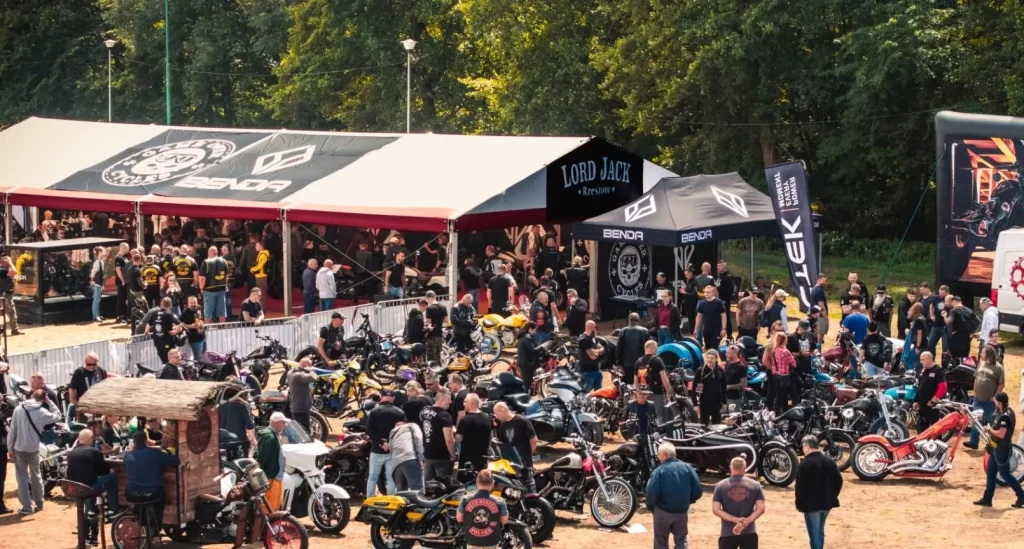
At Benda, we spend countless hours riding, tuning, and talking about urban motorcycle performance and what matters to riders navigating busy streets every day. Whether you are cruising through rush hour or exploring backroads on your city motorcycle, understanding key technical terms helps you make smarter decisions, from choosing your next ride to maintaining it. Here is a guide to the most essential terms every city rider should know.
Engine Basics: Power, Torque, and Displacement
The heart of a motorcycle is its engine. A few terms regularly appear on spec sheets and explain how the bike performs on the road.
Displacement refers to the total volume inside the engine cylinders measured in cubic centimeters. Larger displacement often means more overall power potential, but design matters as well, especially for urban riding where smooth acceleration and manageable power are important.
Torque is the twisting force the engine produces. For city motorcycles like the Benda Napoleon Bob 500, strong torque in the low to mid range makes it easier to pull away from stoplights and cruise in traffic without revving the engine hard.
Horsepower measures how quickly the engine can perform work and is often tied to top speed. While horsepower is important, torque can be even more relevant for everyday urban riding because it affects how the bike responds at common city speeds.
Drivetrain and Braking: How Power Reaches the Road
Once the engine produces power, it must reach the rear wheel in a smooth and predictable way.
The transmission usually has six gears on larger bikes such as the Napoleon Bob 500 and lets riders select gear ratios that match conditions, from crawling in traffic to cruising at higher speeds.
A belt drive, available on models like the Napoleon Bob 500, transfers power to the rear wheel with minimal maintenance compared to chain drives. This is convenient for city riders who want reliable and low-fuss performance.
ABS, which stands for Anti-lock Braking System, helps prevent wheel lock-up during sudden braking. This feature is particularly useful on slick urban streets.
Handling and Geometry: Fit for Urban Streets
City motorcycles must be nimble and confidence inspiring.
Wheelbase describes the distance between the front and rear axles. Bikes with a balanced wheelbase feel stable at speed while remaining responsive when weaving through traffic. Longer wheelbases add stability and shorter wheelbases make tight turns easier.
Seat height tells you how tall the motorcycle sits. Lower seats make it easier to plant your feet at traffic lights, which is ideal for many urban riders.
Suspension components, such as front forks and rear shocks, absorb bumps and help keep the motorcycle steady over uneven roads. Well-tuned suspension makes daily rides more comfortable and predictable.
Tires, Frame, and Ride Feel
Tires, frame design, and weight all influence how a city motorcycle handles.
The frame is the structural backbone of your bike. A strong, well-engineered frame contributes to precise handling and rider confidence.
Tire size and type affect traction and grip. Wider tires provide stability, while appropriate tread patterns help grip in different road conditions.
Curb weight describes the total weight of the motorcycle ready to ride. Lighter bikes are easier to handle at low speeds, which is an important consideration for urban riders.
Conclusion: Knowledge Improves the Ride
Understanding these technical terms changes the way you read specifications and think about urban motorcycle performance. At Benda, we know the best riding experience comes from excellent engineering and informed owners. Whether you are considering the Benda Napoleon Bob 500 or another city motorcycle, being familiar with these concepts helps you appreciate what a bike offers and how it will feel on the street.