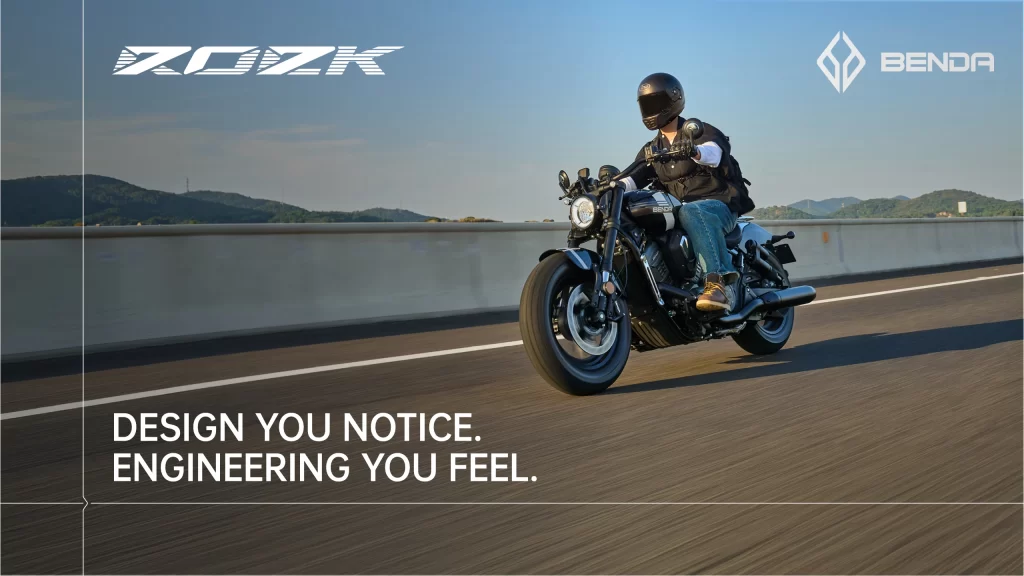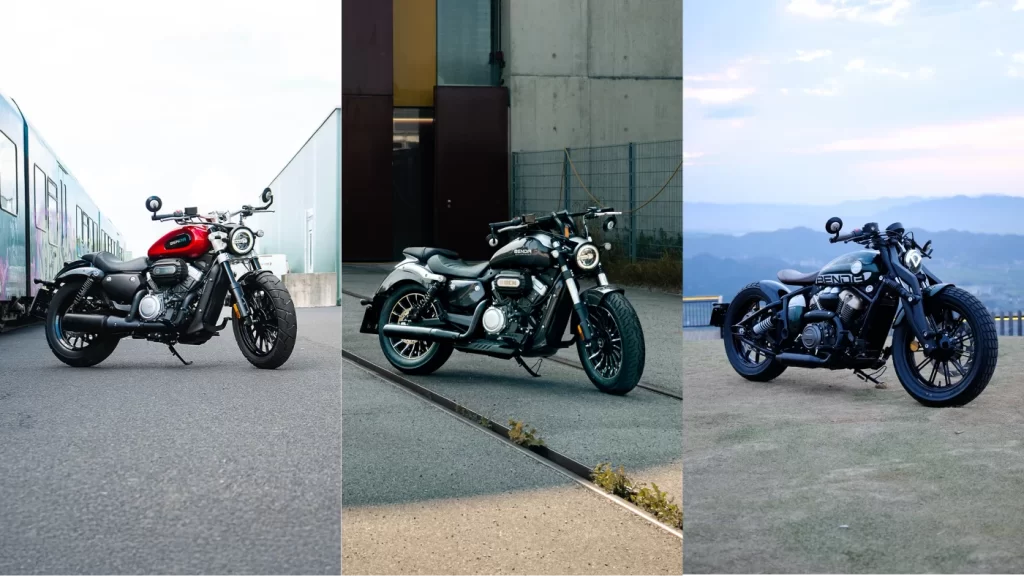
When you’re choosing a muscle cruiser, understanding the strengths and trade-offs of popular power cruiser motorcycles helps you make a better decision. At Benda, we pay attention to the balance between performance, comfort, and everyday usability. Our muscle cruiser models, like the LFC 700, reflect what many riders appreciate in a power cruiser motorcycle, but it’s also valuable to look at wider trends to see how different bikes serve different needs. In this article, we share an honest review of the advantages and limitations riders often encounter with well-regarded power cruiser motorcycles.
What Riders Appreciate in Power Cruiser Motorcycles
Power cruiser motorcycles are often praised for their torque delivery, relaxed riding posture, and comfortable ergonomics. These bikes typically provide strong low-end power, which makes moving effortlessly from a stop or taking on hills more manageable in city traffic and on open roads. At Benda, we design our muscle cruiser bikes with an engine tuned for smooth acceleration and everyday versatility. The LFC 700’s torque-focused character means you don’t have to push the engine hard to feel confident in various riding situations.
Ergonomics are another strong point for many power cruisers. Wider handlebars, forward-set foot controls, and cushioned seating contribute to comfort during extended rides. Riders who value a natural posture often prefer the laid-back comfort that these bikes offer. For commuters and weekend travelers alike, this relaxed setup can make daily trips and longer journeys more enjoyable without excessive fatigue.
The commanding presence of a power cruiser motorcycle also contributes to rider confidence. A muscular stance combined with stable handling helps riders feel secure even when navigating through busy streets or cruising on highways.
Trade-Offs to Consider
Despite the many positives, there are a few trade-offs that riders should keep in mind. Power cruiser motorcycles often have a larger footprint and greater weight compared to smaller bikes or sport-oriented models. This can make tight parking situations or very slow-speed maneuvers more challenging for some riders. At Benda, we aim to balance stability with manageable handling, but size and weight are still part of what gives these bikes their strong road presence.
Another consideration is fuel efficiency. While torque-rich engines provide satisfying performance, they can consume more fuel under spirited riding conditions compared with smaller or more economy-focused motorcycles. For riders who prioritize long range between fill-ups, planning fuel stops becomes a normal part of longer trips.
Maintenance routines can also vary depending on the complexity of components. More advanced suspension systems, liquid cooling, and higher-capacity engines often require scheduled servicing to maintain optimal performance. Regular care helps extend the life of the bike, and many riders view this as part of responsible ownership.
Finding the Right Fit for Your Ride
Choosing a power cruiser motorcycle ultimately comes down to matching your priorities with what each bike offers. If smooth acceleration, comfort over long distances, and a relaxed ride are top goals, muscle cruiser bikes like the Benda LFC 700 deliver an appealing balance of these qualities. If your focus is maximum agility in tight spaces or very high fuel economy, other styles might suit your needs better.
Conclusion
Popular power cruiser motorcycles bring together strong torque, comfortable ergonomics, and a distinctive riding experience that many riders enjoy. At Benda, we design our muscle cruiser models to reflect these strengths while maintaining reliability and daily usability. By looking at both pros and cons, you can choose a motorcycle that fits your riding style and expectations. Whether you’re carving through city streets or settling in for a long ride, understanding these factors helps you ride with confidence.