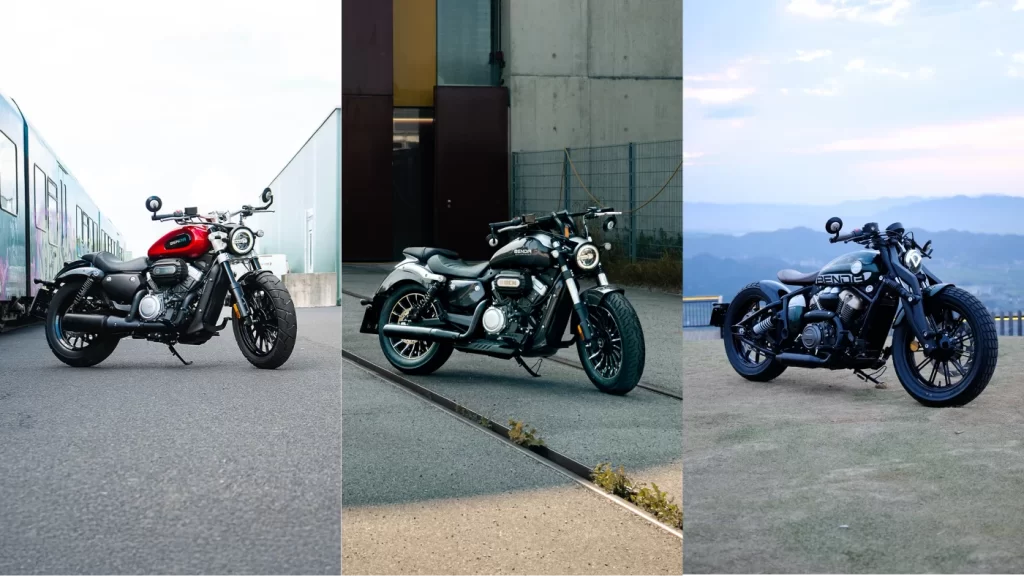
At Benda, we enjoy talking about what makes different motorcycle engines unique, especially when it comes to ownership and care. With the rise of V4 bikes like our Benda Dark Flag 500 Commander and the enduring appeal of motorcycles with V4 and V-Twin engines, we want to share a clear look at how maintenance differs between these two engine layouts. Whether you’re considering your first cruiser or evaluating your next ride, understanding what’s involved in keeping an engine healthy will help you make an informed choice.
Basic Engine Architecture and Its Impact on Maintenance
V-Twin engines have two cylinders arranged in a V shape. This simplicity means fewer moving parts compared to multi-cylinder engines. In day-to-day service, that can translate to straightforward tasks such as oil changes, spark plug checks, and valve clearances because there are fewer components to inspect and adjust. V-Twin engines are common in many cruiser and standard motorcycles, which contributes to a broad base of service knowledge among mechanics.
By contrast, a V4 engine has four cylinders configured in a V shape. This layout provides a compact package with smooth power delivery, which is one reason you’ll find it in motorcycles like the Dark Flag 500 Commander. The extra cylinders bring additional components such as more valve trains and camshafts. In practice, this means more parts to service during major tune-ups. Greater complexity doesn’t automatically mean trouble, but it does mean paying attention to a few more systems over the life of the bike.
Routine Service Intervals and Tasks
Routine maintenance covers things like changing engine oil, inspecting brake pads, and checking tire wear. With V-Twin motorcycles, these tasks are familiar and often quicker for experienced technicians because access to the engine may be easier with fewer cylinders and simpler heads. For riders who enjoy doing their own maintenance, a V-Twin can feel friendlier due to that relative accessibility.
On a V4 bike, routine tasks still include oil and filter changes, brake inspections, and tire checks. However, engine-related tasks such as valve adjustment require work on four valves per bank rather than two. That can add time and cost when compared with a V-Twin. Because a motorcycle with a V4 engine like the Dark Flag 500 Commander also integrates modern systems, such as idle shutdown technology and electronic throttle controls, routine diagnostics using compatible tools help ensure these systems remain calibrated and working as intended.
Long-Term Maintenance Considerations
Over the long term, maintenance can vary depending on how a bike is used. Cruisers and touring bikes with V-Twin engines may accumulate miles gently on highways or city streets. Periodic checks on valves, belts, and fluids keep the engine running smoothly without the added frequency that more sophisticated systems sometimes require.
For a V4 engine, long-term care often means planning for service that addresses the four-cylinder head’s complexity. Valve adjustments, timing checks, and cooling system service may occur on a more disciplined schedule. Additionally, because a V4 has more moving parts, you might encounter higher parts costs during major overhauls. That said, the compact design and balanced nature of a V4 can help with heat distribution and overall engine stability, potentially extending the intervals between certain types of wear-related maintenance.
Conclusion
Understanding maintenance differences between V-Twin and V4 engines helps you enjoy your motorcycle for years to come. At Benda, we appreciate both engine types for their distinct qualities. Motorcycles with V4 engines like the Dark Flag 500 Commander combine compact design with rich performance, while V-Twin engines offer straightforward serviceability and familiarity. By knowing what each configuration demands, you can plan your care routine and enjoy the ride with confidence.