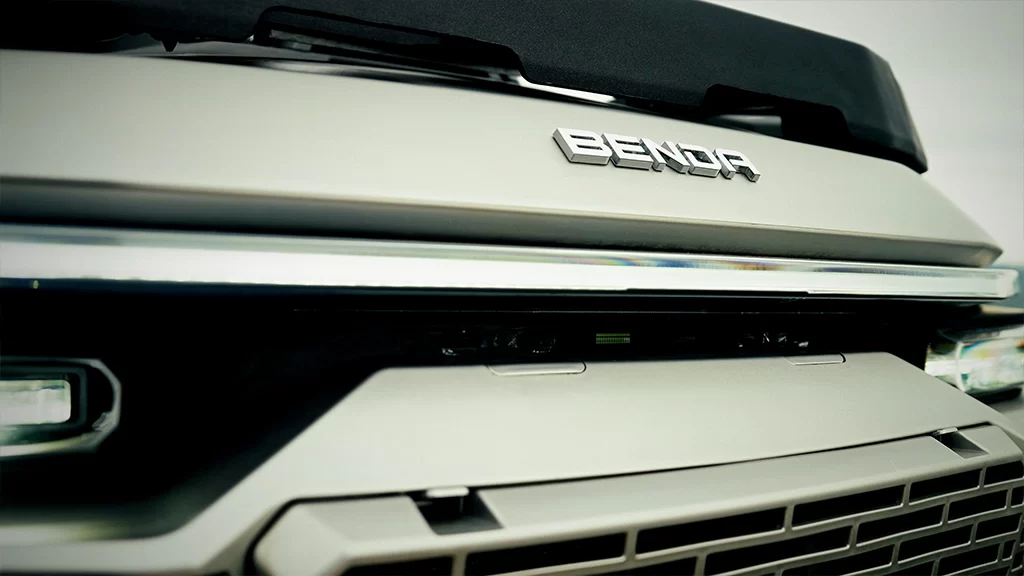
As enthusiasts of motorcycles and the process behind their creation, we at Benda understand the pride that comes from building something with your own hands. As a respected motorcycle manufacturer known for quality Chinese motorcycles, we’ve guided many riders through their first assembly. This step-by-step guide is designed to help you assemble your Chinese motorcycle confidently and safely. Whether you’re a first-time builder or refining your skills, we’re here with practical advice rooted in real workshop experience.
Preparing for Assembly
Before starting the assembly, preparation is essential. Clear a well-lit workspace and gather all tools such as wrenches, screwdrivers, pliers, and torque wrenches. Lay out all the motorcycle parts and consult your model’s manual for reference. Chinese motorcycles often arrive partially disassembled for easier shipping, so verifying that each component corresponds to your manual ensures a smoother process.
Safety is important. Wear protective gloves and eye protection during assembly. Organize parts in the order they will be used. This prevents confusion and streamlines the process. At this stage, it’s also smart to check that fasteners and small components are present. Chinese motorcycles from Benda come with all necessary parts, and our manuals include clear diagrams to help you identify each component.
Installing the Frame and Engine
Start by positioning the main frame securely on a stable surface. Depending on your model, you may need an assistant or a stand to hold the frame steady. The next step involves mounting the engine to the frame. Align the engine’s mounting points carefully with the frame’s brackets. Insert the bolts by hand initially to avoid cross-threading. Once all bolts are in place, tighten them to the torque values specified in the manual.
Chinese motorcycle engines are designed for user-friendly assembly, but patience and attention to detail are still vital. Make sure wiring harnesses are routed correctly and not pinched between components. This helps avoid electrical issues later on.
Attaching the Wheels and Suspension
With the engine mounted, focus on the wheels and suspension. Fit the front fork assembly into the head tube and tighten the steering stem bolts to the recommended torque. Slide the front wheel into the fork and secure the axle. Ensure the wheel spins freely and the brake calipers align with the brake rotor.
The rear wheel and suspension come next. Installing the rear shock absorbers and swingarm may require adjusting the chain tension. Refer to your manual for proper alignment measurements. Keeping the wheels aligned and the suspension mounted properly contributes to safe handling and a comfortable ride.
Connecting Controls and Final Adjustments
Controls such as the throttle, clutch, brake levers, and foot pegs are installed at this stage. Connect cables and adjust tension according to specifications. Proper control installation directly influences your riding experience, so take time to ensure each connection is smooth and responsive.
Check all fluid levels, including engine oil, brake fluid, and coolant if applicable. Chinese motorcycles from Benda include recommended fluid types and quantities in the manual. Double-check all fasteners, cables, and connections before proceeding to test starts.
Conclusion
Assembling a Chinese motorcycle is a rewarding process when approached with careful preparation and methodical steps. We at Benda encourage riders to follow the manual closely, take time with each stage, and enjoy the satisfaction that comes from building your own ride. With the right tools, clear instructions, and attention to safety, you’ll soon be ready to take your motorcycle out on the road. Trust in the craftsmanship found in Benda’s Chinese motorcycles and embrace the assembly experience as part of your journey into motorcycling.