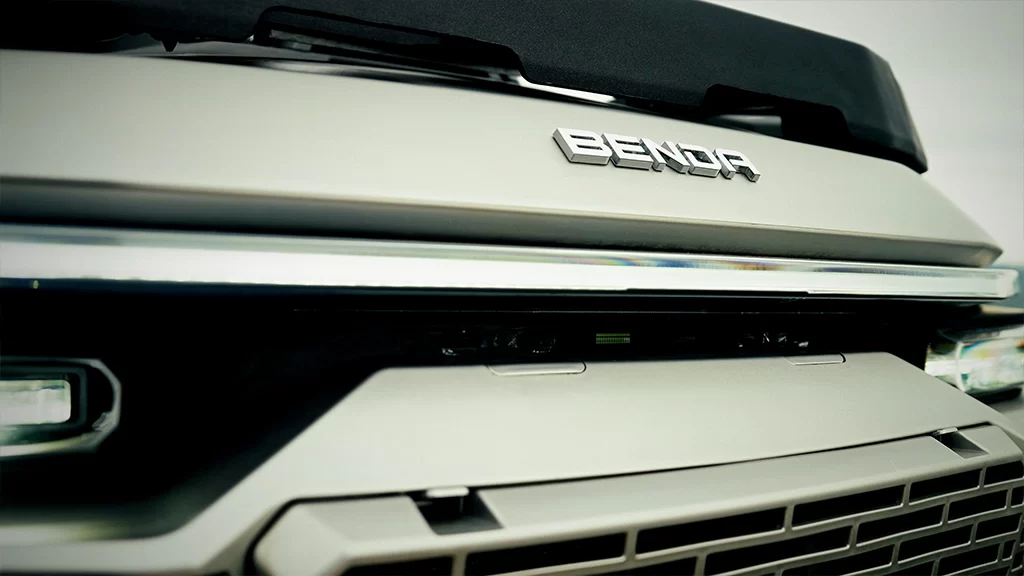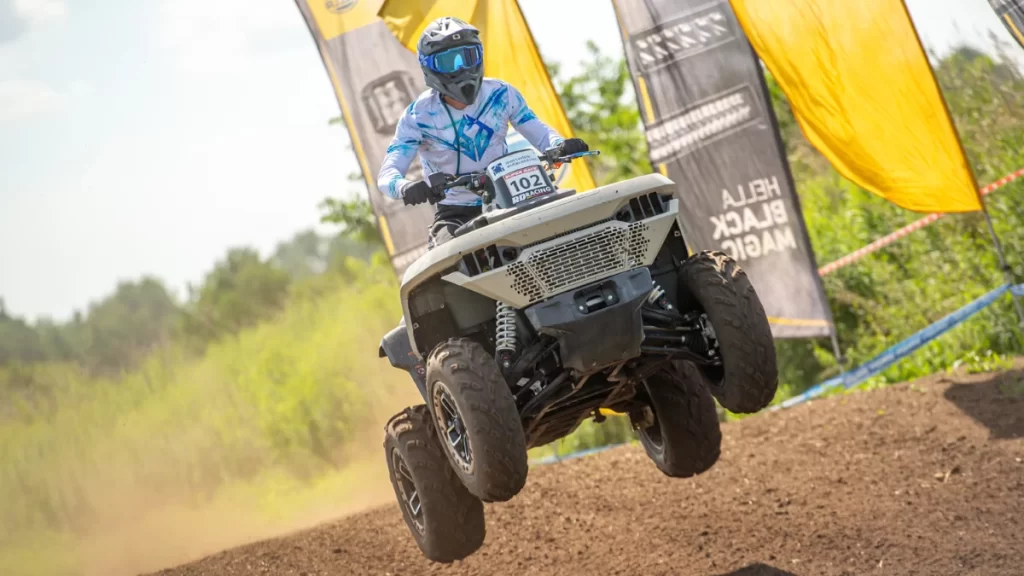
Owning a 500cc cruiser is about more than enjoying the ride. It is also about understanding how your motorcycle works and how key technical elements affect performance, comfort, and reliability. As a brand that designs and builds 500cc motorcycles, we at Benda believe that knowing essential technical terms helps riders make better decisions, communicate clearly with technicians, and fully appreciate their machines. Using the Chinchilla 500 as an example, we want to explain several important concepts every 500cc motorcycle owner should be familiar with.
Engine Displacement and Power Delivery
Engine displacement refers to the total volume of all cylinders in the engine, measured in cubic centimeters. In a 500cc cruiser, this displacement offers a balanced combination of usable power and smooth operation. What matters just as much as the number itself is power delivery. Torque at low and mid engine speeds defines how responsive the bike feels during starts, overtakes, and relaxed cruising. For many riders, steady and predictable torque is what makes 500cc motorcycles comfortable and enjoyable in daily use.
At Benda, we focus on tuning engines so that power builds smoothly instead of arriving abruptly. This makes long rides more relaxed and improves overall control.
Cooling System and Thermal Stability
Cooling plays a critical role in engine health. A 500cc engine generates enough heat that temperature control becomes essential, especially in traffic or warm climates. Riders often hear terms like “air cooling” or “liquid cooling.” These describe how heat is managed and removed from the engine.
On modern 500cc motorcycles, advanced cooling systems help maintain consistent operating temperatures. This stability supports performance, reduces wear, and improves long-term reliability. When we design models like the Chinchilla 500, we consider how cooling interacts with engine layout, riding conditions, and overall durability.
Transmission and Gear Ratios
The transmission transfers engine power to the rear wheel through a series of gears. Gear ratios determine how quickly the bike accelerates and how comfortably it cruises at higher speeds. A 500cc cruiser typically uses ratios that emphasize smooth acceleration and relaxed highway riding.
Understanding gear ratios helps riders choose the right gear for different situations. Lower gears provide stronger pull at lower speeds, while higher gears reduce engine strain during cruising. At Benda, transmission tuning is part of creating a balanced riding experience that suits both urban roads and open highways.
Suspension and Ride Comfort
Suspension absorbs road imperfections and keeps the tires in contact with the surface. Terms like “front forks,” “rear shocks,” and “damping” are often discussed when talking about ride quality. In 500cc motorcycles, suspension setup directly affects comfort, stability, and confidence.
We design suspension systems to match the weight, power, and intended riding style of each model. For a 500cc cruiser, the goal is to deliver a smooth ride without sacrificing control, especially during longer journeys.
Braking Components and Control
Braking systems include discs, calipers, and hydraulic components that work together to slow the motorcycle safely. Riders should understand how braking feel and stopping power relate to these parts. Reliable brakes are essential for everyday riding and emergency situations alike.
At Benda, braking systems are chosen and tuned to complement the performance level of our motorcycles, ensuring predictable response and rider confidence.
Conclusion
Understanding key technical terms helps riders get the most out of their 500cc cruiser. Concepts like engine displacement, cooling, transmission, suspension, and braking all shape how 500cc motorcycles perform on the road. At Benda, we believe informed riders enjoy deeper connections with their machines. By learning these fundamentals, owners of models like the Chinchilla 500 can ride with greater confidence, appreciation, and long-term satisfaction.