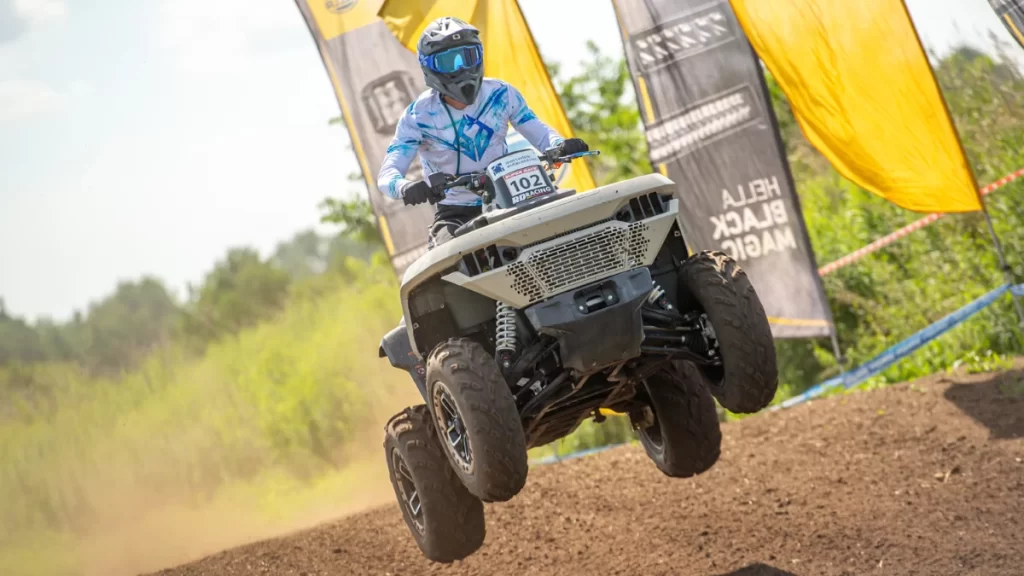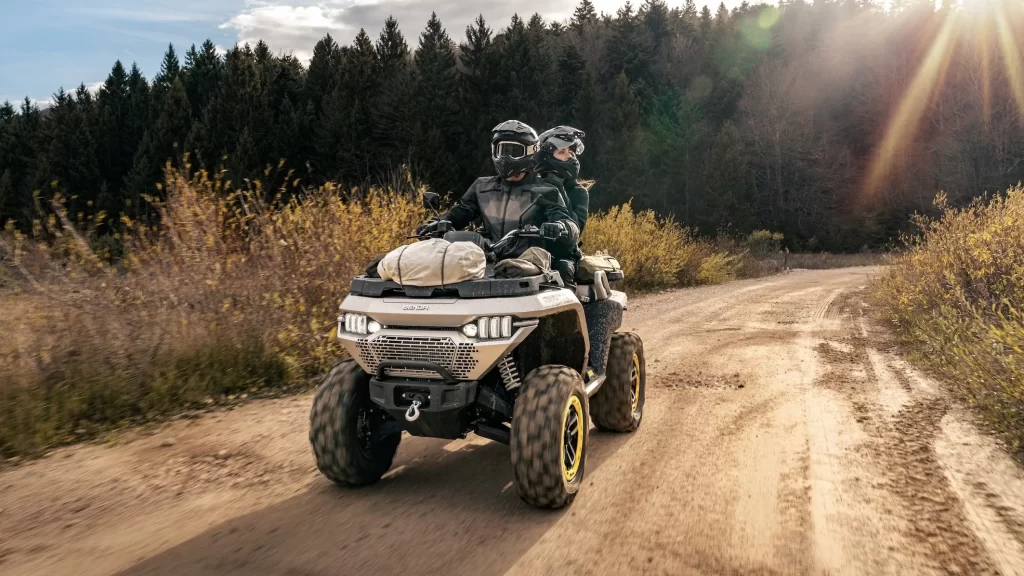
Riding a 500cc four-wheeler brings both excitement and responsibility. These machines combine compact engine design with four-wheel stability, making them suitable for a wide range of terrain. A 500cc quad like the Benda Redstone 550 balances power, control, and durability. Understanding the mechanical principles behind these vehicles helps riders operate them more effectively and safely. Modern four-wheelers are designed to provide responsive handling while distributing power efficiently to all four wheels.
Engine Design and Power Delivery
At the heart of a 500cc four-wheeler is its engine. The Redstone 550 features a single-cylinder, liquid-cooled engine with fuel injection technology. This setup provides smooth torque delivery across a wide range of speeds, helping the vehicle handle both steep inclines and flat trails. Fuel injection ensures precise combustion, which improves efficiency and reduces emissions. The engine’s compact layout allows the quad to maintain a low center of gravity, enhancing stability during turns and over uneven terrain.
Power is transmitted from the engine to the wheels through a combination of a clutch, gearbox, and drive chain system. The transmission manages how torque is distributed, giving riders the ability to control acceleration and adapt to different surfaces. Modern 500cc four-wheelers often include automatic or semi-automatic transmissions to simplify operation without sacrificing control.
Suspension and Handling
Suspension is a key component that determines how a 500cc quad responds to the terrain. The Redstone 550 uses independent suspension for each wheel, allowing the vehicle to absorb shocks from bumps, rocks, and dips in the trail. This setup maintains tire contact with the ground, improving traction and stability. Suspension geometry is carefully engineered to balance comfort and control, giving riders the ability to navigate rough trails without losing confidence or stability.
Braking and Safety Systems
Braking is another critical aspect of modern four-wheelers. Hydraulic disc brakes provide consistent stopping power for both front and rear wheels. Some models also incorporate engine braking and parking brakes to enhance control during challenging terrain or steep descents. These systems work together to ensure that riders can stop smoothly and safely, even when the quad is fully loaded or traveling at higher speeds.
Frame and Chassis Considerations
The frame and chassis of a 500cc four-wheeler contribute to overall performance and durability. A rigid yet lightweight frame helps the quad withstand the stresses of off-road riding while keeping weight manageable. Strategic placement of components, including the engine, fuel tank, and suspension mounts, improves balance and handling. The Redstone 550 also features reinforced structural points to protect critical components from impacts during rough rides.
Conclusion
Modern 500cc four-wheelers combine engine efficiency, suspension technology, braking systems, and robust frames to deliver a safe and enjoyable riding experience. Understanding these mechanical principles helps riders appreciate how quads like the Benda Redstone 550 manage power, stability, and control across a variety of conditions. By focusing on the interplay between engine design, suspension, and handling, riders can navigate trails with confidence and fully enjoy the versatility and capability that a 500cc four-wheeler provides.