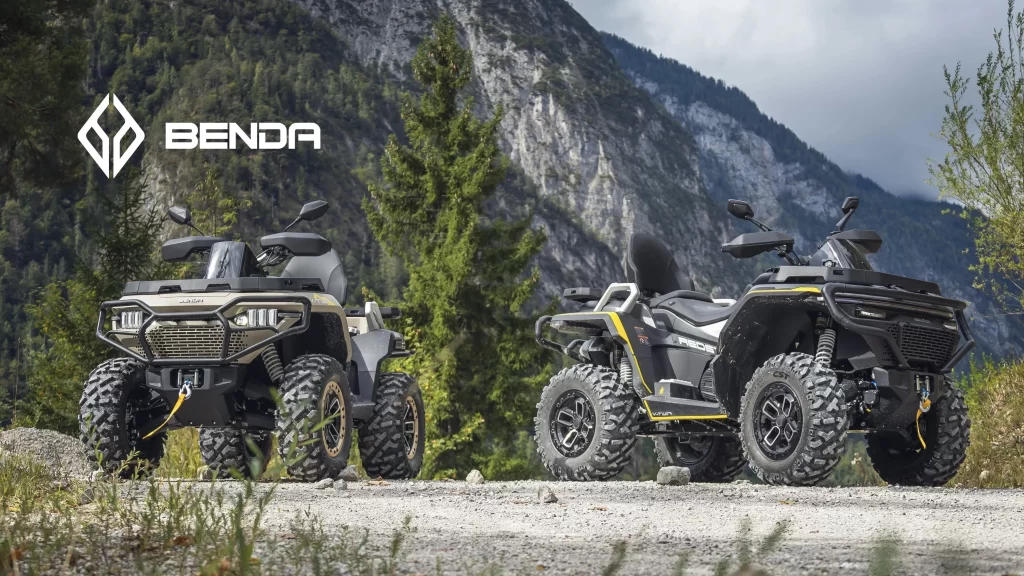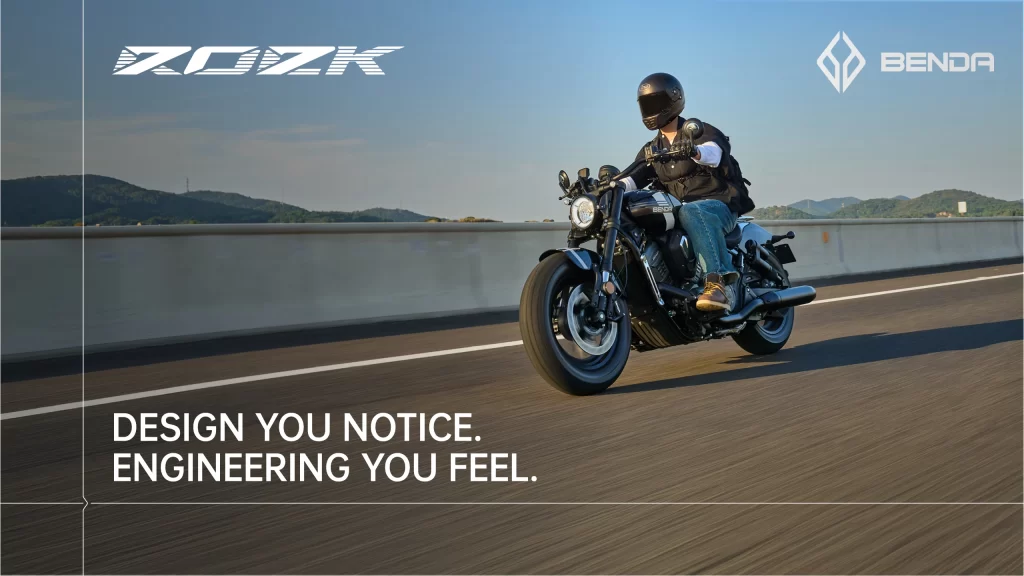
At Benda, we understand what it means to design and build motorcycles that don’t just look good on paved roads but perform reliably when challenged by uneven surfaces, gravel paths, and dirt tracks. As a motorcycle manufacturer committed to innovation and rider satisfaction, we’ve spent years studying how bikes behave in real-world conditions and refining our approach to engineering for rugged terrain.
Understanding Rugged Terrain Requirements
Rugged terrain presents a unique set of challenges for motorcycle manufacturers. Unlike smooth highways, off-pavement conditions test every aspect of a bike’s design, from suspension travel to engine responsiveness. Riders expect confidence-inspiring stability and control, whether they’re cresting rocky trails or navigating forest paths. This level of performance calls for a clear set of engineering goals during the design and production process.
Chassis and Suspension Design for Durability
Strong chassis design is the foundation of any motorcycle built to withstand rough terrain. At Benda, we focus on creating frames that balance rigidity with controlled flex, allowing the bike to absorb impacts without transferring excessive force to the rider. Suspension systems are tuned to offer longer travel and progressive damping, so bumps and drops feel manageable rather than jarring. These components must work together in harmony to maintain traction and stability across shifting ground surfaces.
Powertrain Performance and Efficiency
When you’re riding off the beaten path, smooth and predictable power delivery becomes essential. Engines tuned for rugged terrain must provide enough torque at low and mid-range RPMs to climb steep grades or power through loose soil. Our in-house engineering teams design and calibrate engines to provide this balance, along with efficient cooling systems that protect performance in demanding conditions. We also pay close attention to gear ratios, ensuring riders can make precise adjustments to match variable terrain demands.
Traction Control and Rider Support
Modern technology plays a significant role in enhancing off-road capability. Features like traction control systems help maintain grip when wheels encounter slippery patches, and advanced braking systems provide predictable stopping power without wheel lock-ups. We strive to integrate these technologies in ways that help the rider feel more in control, not distracted by complexity. Safety isn’t an afterthought; it’s an integral part of the engineering philosophy that guides every Benda motorcycle design.
Ergonomics and Comfort for Long Rides
Professional riders and adventure enthusiasts alike spend hours in the saddle. Good ergonomics help reduce fatigue and ensure that the bike feels like an extension of the rider. This involves optimizing seat position, handlebar reach, and footpeg layout to suit a wide range of body types and riding styles. Comfort becomes especially important on uneven terrain where constant adjustment and balance are required. These human-centered considerations are key to making rugged terrain motorcycles accessible and enjoyable for everyday riders.
Testing and Real-World Validation
Engineering goals are only meaningful if they hold up outside the lab. That’s why we subject prototypes to exhaustive testing in diverse environments, from rocky forest trails to muddy tracks. These sessions help us fine-tune suspension behavior, engine responsiveness, and chassis dynamics to deliver performance you can rely on.
Conclusion
Designing motorcycles for rugged terrain demads an integrated approach where durability, performance, safety, and rider comfort all come together. At Benda, these engineering goals guide our work as a motorcycle manufacturer focused on meeting the real needs of riders who venture beyond smooth asphalt and into challenging landscapes. By prioritizing thoughtful design and robust testing, we continue to refine motorcycles that are as rewarding to ride on rough trails as they are on open roads.