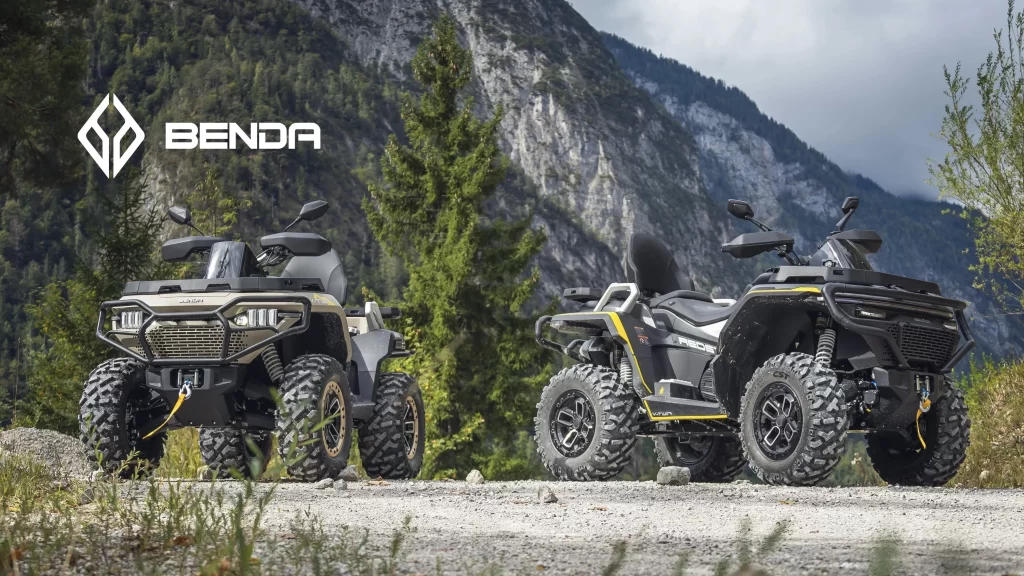
Quality control plays a central role in how modern motorcycles are designed, produced, and delivered. In today’s competitive industry, a motorcycle manufacturer must ensure that every product leaving the production line meets consistent standards for safety, performance, and durability. At Benda, we view quality control as a continuous process that connects engineering, manufacturing, and real riding experience inside our motorcycle factory.
The Role of Quality Control in a Motorcycle Factory
An advanced motorcycle factory operates on precision. Quality control begins at the earliest stages of production, starting with material selection and component validation. Steel alloys, aluminum parts, and electronic components are inspected to confirm that they meet technical requirements before entering assembly. This early evaluation helps reduce defects and ensures that the foundation of each motorcycle is reliable.
Within the factory, production workflows are designed to include inspection points at critical stages. Engine assembly, frame welding, and electrical system installation are all monitored using standardized procedures. These checks allow technicians to identify deviations immediately, helping maintain consistency across different production batches. For a motorcycle manufacturer like Benda, this structured approach ensures that quality is built into the process rather than corrected later.
Process Control and Assembly Accuracy
Modern motorcycle factories rely heavily on process control to maintain accuracy during assembly. Torque settings, alignment measurements, and component fit are verified using calibrated tools and digital monitoring systems. Each workstation follows documented standards that guide technicians through precise operations.
At Benda, we focus on repeatable manufacturing processes that reduce variability. By standardizing assembly steps and combining them with skilled workmanship, we ensure that critical systems such as suspension, braking, and power delivery perform as intended. This balance between automation and human expertise allows our factory to maintain stable quality while supporting efficient production.
Functional Testing and Performance Verification
Once assembly is complete, quality control extends into functional testing. Completed motorcycles undergo inspections that evaluate engine operation, electrical responsiveness, and overall mechanical performance. These tests are designed to reflect real usage scenarios, helping confirm that each unit operates smoothly before leaving the factory.
We also place importance on safety and compliance testing. Systems related to lighting, emissions, and electronic controls are verified to meet applicable regulations and internal standards. This final evaluation stage acts as a safeguard that reinforces reliability and rider confidence.
Continuous Improvement Through Data and Feedback
Quality control does not end when a motorcycle leaves the factory. Advanced motorcycle manufacturers use production data and market feedback to refine designs and processes over time. Manufacturing data helps identify trends, while feedback from distributors and riders provides insight into long term performance.
At Benda, we integrate this information into ongoing improvements across our motorcycle factory. By reviewing production results and real world usage, we adjust specifications and processes to enhance consistency and durability in future models.
Conclusion
Quality control standards in advanced motorcycle factories are essential for delivering dependable motorcycles to riders worldwide. From material inspection to final testing, every stage contributes to the overall performance and reliability of the finished product. As a motorcycle manufacturer, Benda remains committed to structured quality control practices that support precise manufacturing and long term value, ensuring that every motorcycle reflects our focus on careful engineering and factory discipline.