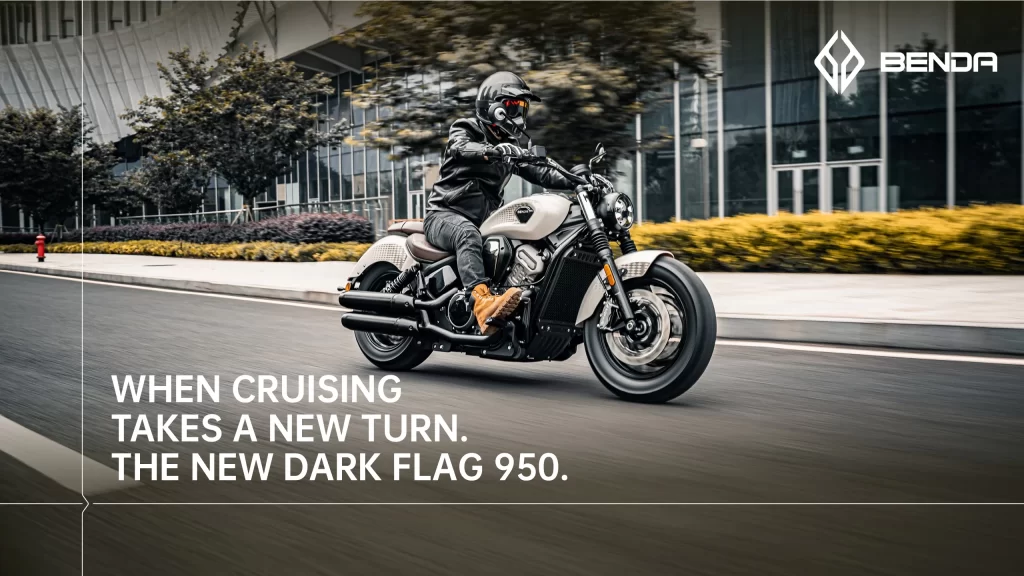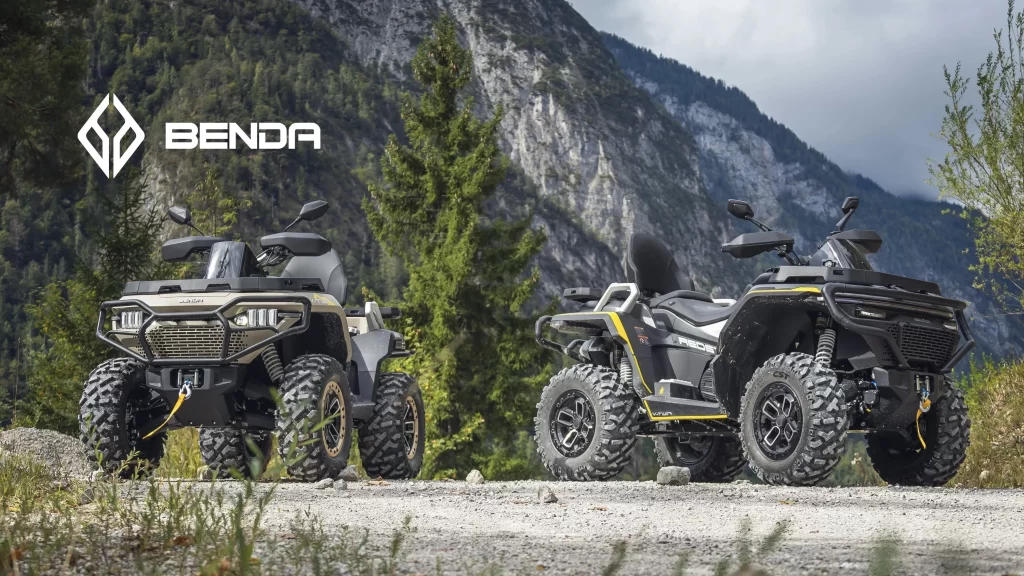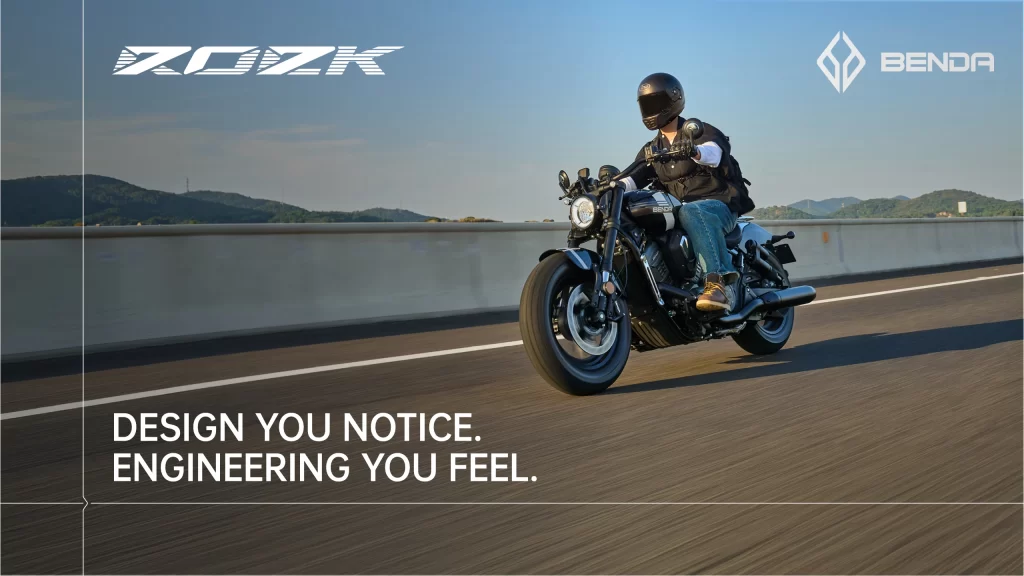
At Benda, we’re a motorcycle manufacturer deeply connected to the evolving tastes and expectations of riders around the world. Each model we design reflects a careful balance between performance, practicality, and style. As we enter 2026, visual trends in motorcycle design continue to shift, shaped by rider preferences, technological progress, and a broader cultural focus on both form and function. In this article, we explore the current aesthetic directions embraced by leading motorcycle brands and how they influence the Benda lineup.
Clean Lines That Emphasize Form and Function
Across the industry, many brands are moving toward cleaner lines and simplified silhouettes. Designers are focusing on clarity of form, where every curve and panel serves both an aesthetic and functional purpose. This means fewer overly complex elements that distract from the overall visual language of the bike.
At Benda, we’ve always appreciated how thoughtful design can enhance the rider experience. Our recent models reflect that commitment, with sleek fairings and well-proportioned frames that look balanced from every angle. In 2026, we’re seeing more manufacturers embrace this philosophy, ensuring that visual appeal aligns with aerodynamics and practicality on the road.
Integrated Lighting for a Unified Look
Lighting design has become a notable trend among motorcycle styles this year. Far from being simple functional components, headlamps, taillights, and turn signals are now integrated into the overall aesthetic in ways that complement the bike’s shape and personality. Many newer models feature lighting elements that follow the lines of the bodywork, creating a sense of cohesion and intentionality.
For a motorcycle manufacturer like Benda, integrated lighting allows us to refine the overall visual impact of a motorcycle. By carefully shaping lighting elements to work with other design features, we create models that feel visually consistent and modern without overemphasis on decoration.
Color Palettes That Reflect Lifestyle
The choice of color has always played a role in how motorcycles are perceived, but in 2026 there is a noticeable trend toward palettes that convey lifestyle identities rather than just traditional sport or cruiser themes. Earth tones, muted metallics, and matte finishes are gaining popularity among riders who favor understated but distinctive visuals. At the same time, bold accent hues remain desirable for those who want a bike that stands out.
Our Benda range reflects this diversity of taste. We offer finishes that appeal to riders drawn to refined elegance as well as options for those who prefer a more dynamic presence on the road. Designers across top brands are similarly attentive to how color and finish communicate a bike’s character and purpose.
A Focus on Proportion and Balance
Another aesthetic trend gaining traction is a renewed focus on proportion and visual balance. Rather than exaggerated forms or oversized components, many brands are creating bikes that feel harmonious in their dimensions. This approach results in machines that look composed and purposeful whether parked or in motion.
At Benda, proportion plays a central role in our design process. We understand that a motorcycle’s presence should feel confident without feeling bulky or unwieldy. Balancing tanks, seats, wheels, and bodywork in a thoughtful way ensures that each model we produce looks as good from the side as it does from any angle.
Conclusion
As we explore aesthetic trends among leading motorcycle brands in 2026, it’s clear that visual design continues to evolve in response to rider preferences and broader cultural cues. Clean lines, integrated lighting, thoughtful color palettes, and balanced proportions are shaping the look of motorcycles today. At Benda, we embrace these trends while staying true to our own design values. By creating motorcycles that feel visually coherent and thoughtfully crafted, we aim to offer riders models that not only perform well but also resonate with their sense of style.